How the Philosophy of Gambling Has Changed Since the 19th Century
Is the message of The Animals' global hit "The House of the Rising Sun" still relevant today? Perhaps it is, but we believe only partially, and here's why.
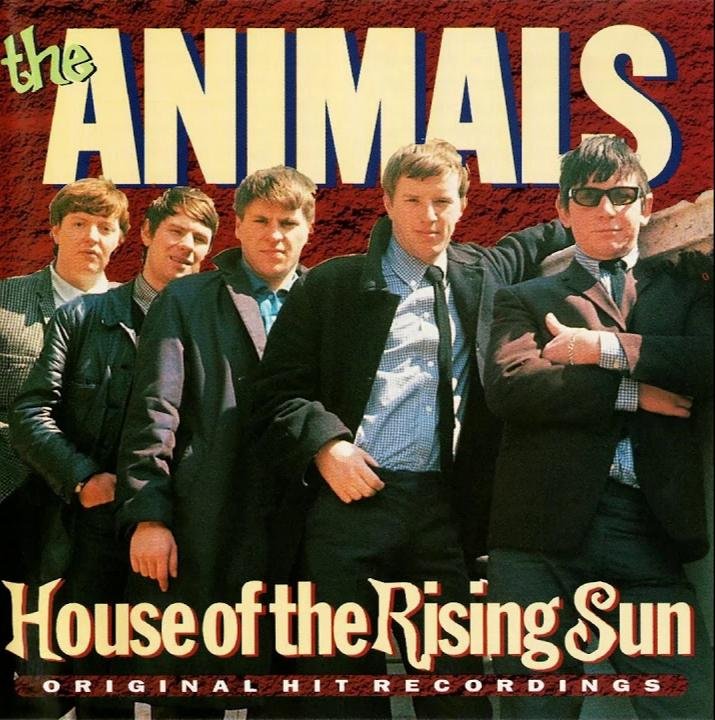
"The House of the Rising Sun" is a world-famous hit most commonly associated with The Animals. Released in 1964, it tells the story of a person who has hit rock bottom due to their weaknesses and sins. The "House" itself is often interpreted as a gambling house, a brothel, or perhaps both. While The Animals made the song legendary, they didn't write it; it is a folk song performed by many musicians over the decades. However, their version is now considered the definitive one.
There is a house in New Orleans
They call the Rising Sun
And it's been the ruin of many a poor boy
Dear God, I know I was one
My mother was a tailor
She sewed my new blue jeans
And my father was a gamblin' man
Way down in New Orleans
And the only thing a gambler needs
Is a suitcase and a trunk
And the only time he's satisfied
Is when he's a drunk
Oh, mother, tell your children
Not to do what I have done
To spend your lives in sin and misery
In the house of the rising sun
I got one foot on the platform
And another on the train
And I'm going back to New Orleans
To wear that ball and chain
There is a house in New Orleans
They call the Rising Sun
And it's been the ruin of many a poor boy
Dear God, I know I was one
Dear God, I know I was the one
The line "And my father was a gamblin' man" strongly suggests the song is about a casino. Interestingly, world culture is full of songs, books, and films about gambling, and most share a similar tone. For instance, Dostoevsky’s novel The Gambler carries the same somber philosophy as "The House of the Rising Sun."
This led us to wonder: has nothing changed since then? Fortunately, it seems things have. In our view, the philosophy surrounding gambling is shifting for the better. Here are a few facts that support this:
-
Stricter Regulation: Players are now protected by licensing authorities — organizations that oversee and regulate casino operations.
-
Responsible Gambling: The concept of "Responsible Gambling" has emerged and is widely promoted. It’s more than just a slogan; it’s a standard.
-
Safety Tools: Players now have access to tools like deposit limits, time limits, "reality checks" (notifications about play duration), and options for temporary or permanent self-exclusion.
-
Transparency: Modern gaming is transparent. You always know the RTP (Return to Player) of the slot you’re playing, and no one promises a guaranteed win anymore.
-
Players themselves increasingly view the casino not as a way to change their lives through a massive jackpot, but as paid entertainment — similar to going to the movies. This is a healthy approach: enjoy the thrill, then go back to work the next day to earn money through productive labor. It’s a well-known fact that winning the lottery rarely changes a person's fundamental destiny; money won't fix unhappiness. One shouldn't pin their hopes on a casino in that regard.
All of the above gives us hope that, in the near future, there will be fewer players like the protagonist of "The House of the Rising Sun" and more who follow the principles of responsible gaming — those for whom a casino is a pleasant addition to an evening’s rest, rather than a desperate hope for sudden wealth.
By the way, we highly recommend the song; it’s a beautiful ballad.
What's Your Reaction?